
The smart glasses market in 2026 is undergoing unprecedented expansion: according to Counterpoint Research, global shipments have grown 139% year over year. What began as an experiment for a handful of enthusiasts has become a mature consumer category, where iconic design, built-in artificial intelligence and everyday utility coexist in the same frame.
However, the mass adoption of devices capable of recording and processing data in real time has raised inevitable questions around regulation, ethics and privacy protection.
In summary
- Market evolution: from the controversial Google Glass (2013) to today’s dominance of the Meta-Luxottica pairing.
- Next-generation hardware: models like the Even G2 redefine visual standards with nearly invisible HUD displays.
- The regulatory picture: the industry has split clearly between 7 established practical uses and 7 strict bans in sensitive contexts.
The origins: the lesson of Google Glass
The era of connected wearables took its first steps in 2013 with the Google Glass Explorer Edition. Despite groundbreaking concepts at the time (such as the Head-Up Display), the distinctly “cyborg” design and the lack of protections for others’ privacy led to its failure in the mass market.
Mountain View repositioned the device in the enterprise sector until the project’s definitive shutdown in 2023. From this false start, the industry drew a fundamental lesson: to win over the public, technology must become invisible.
The leading models of 2026
Today the sector is led by devices that blend seamlessly with traditional prescription or sunglasses.
Mapping the market leaders
| Model | Segment | Key strength |
|---|---|---|
| Ray-Ban Meta | Lifestyle (leading share of this segment) | Luxottica frames + an invisible AI assistant for photos, video and contextual voice commands |
| Oakley Meta | Sports | Technical lenses + a fast voice-command interface for use while active |
| Xiaomi AI Glasses | Asian/value-for-money segment | Advanced simultaneous translation, shipments up 200% |
Note: the “82%” figure cited by some sources refers to the lifestyle segment led by Ray-Ban Meta, not the entire smart glasses market — it’s worth distinguishing the two metrics when quoting the data.
The technological frontier: the Even G2 case
Alongside the industry giants, new players have emerged to push hardware performance beyond the limits of simple “smart audio.”
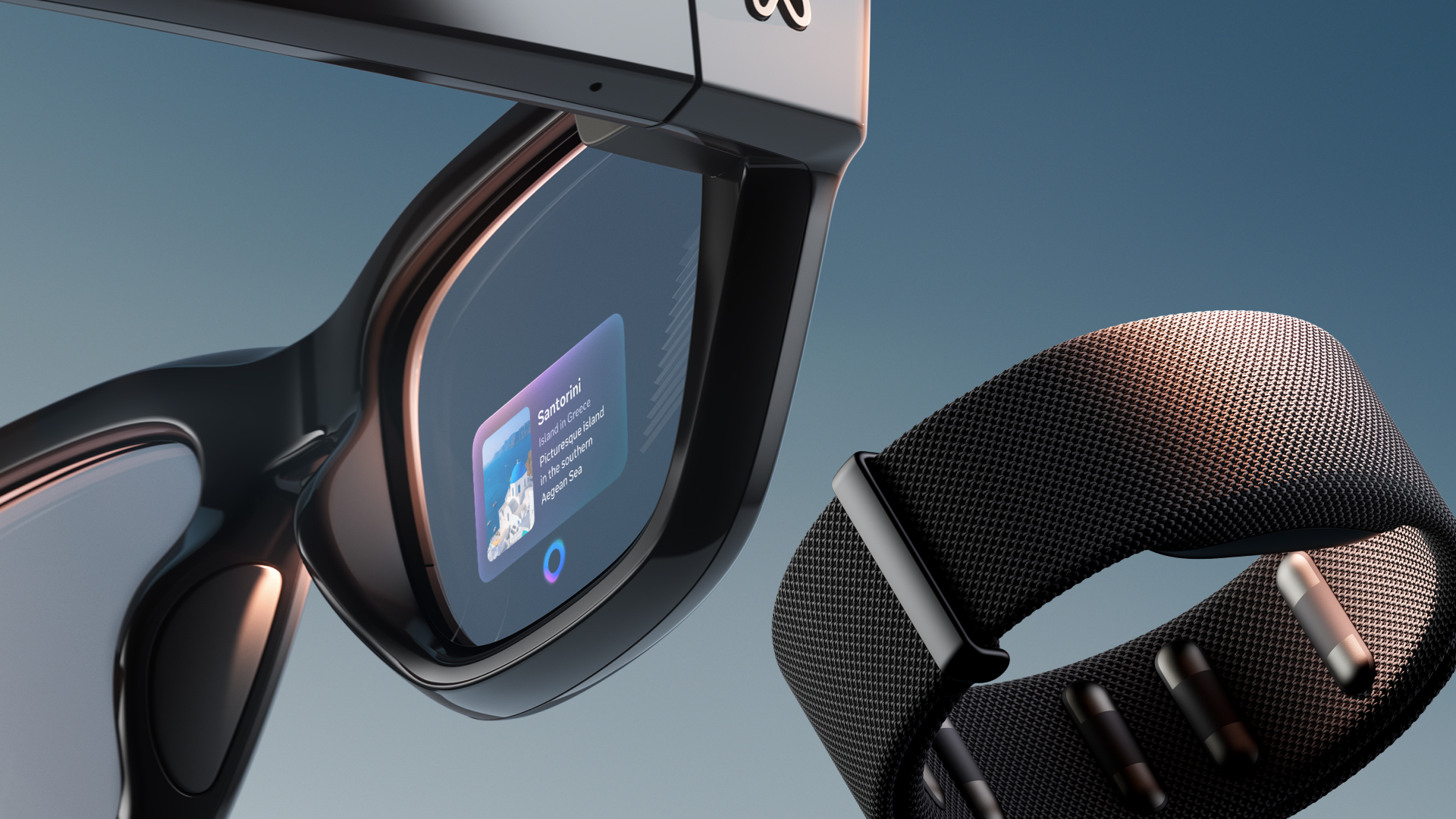
Next-generation devices like the Even G2 represent an evolutionary leap: they incorporate a micro-LED Head-Up Display (HUD) inside ultra-lightweight resin lenses.
What do they let you do? Users can check road maps, read text messages and view real-time translations “floating” directly in their field of view, while maintaining a refined look that completely conceals the underlying hardware.
The 7 allowed and most widespread uses
Large-scale adoption rests on concrete applications that simplify daily life without violating others’ privacy:
- Hands-free navigation — GPS directions overlaid on the road in the field of view, without looking at a smartphone.
- Simultaneous visual and audio translation — AI instantly translates spoken conversations and foreign signs.
- First-person (POV) photos and video — used to document sports and travel, provided third parties aren’t filmed without consent.
- Calls and messaging — replace classic Bluetooth earbuds while driving or working.
- Industrial and medical operational support — overlay technical diagrams and vital data directly during surgical procedures.
- Open-ear audio — listen to music and podcasts while keeping the ear free to perceive ambient sounds.
- AI-assisted visual search — the assistant analyzes what the user is looking at (a monument, an ingredient, a text) and provides immediate contextual information.
The 7 absolute bans and privacy risks
The integration of miniaturized microphones and cameras has pushed governments and institutions to set strict regulatory boundaries:
| Setting / Context | Type of ban | Main reason |
|---|---|---|
| Courtrooms | Mandatory surrender at entry (e.g., New York State from July 2026) | The small recording LEDs don’t guarantee the protection of the trial |
| Casinos and slot halls | Total ban, including maritime settings such as cruise ships | Preventing card counting and theft of confidential data |
| Bathrooms and medical facilities | Absolute ban on bringing them in | Maximum privacy protection in intimate spaces |
| Areas reserved for minors | Banned in schools, kids clubs and structured parks | Protecting minors from unauthorized filming |
| While driving (some countries) | Treated the same as smartphone use | Risk of cognitive distraction from HUD display |
| Professional sporting events | Banned for spectators | Preventing clandestine streaming for live betting |
| Filming third parties (GDPR) | Illegal to record faces without explicit consent | Heightened by AI algorithms processing visual data |
Frequently asked questions
Are smart glasses legal everywhere in 2026? No. Use is generally allowed, but specific bans exist in contexts such as courtrooms, casinos, public restrooms, areas for minors and professional sporting events — rules vary by country.
What’s the best-selling smart glasses model in 2026? Ray-Ban Meta dominates the lifestyle segment thanks to the Meta-Luxottica partnership, followed by Oakley Meta for sports and Xiaomi AI Glasses in the value-for-money segment.
What sets the Even G2 apart from other models? They integrate a micro-LED HUD display inside the lenses, allowing users to view maps, messages and translations in their field of view, while most competitors only offer audio and camera functions.
Why did Google Glass fail in the consumer market? Because of its overly recognizable “cyborg” design and the lack of privacy guarantees for those being filmed — issues today’s market has solved by making the hardware nearly invisible.
What future for smart glasses?
The smart glasses market is entering a phase of full technological and legislative maturity. On one hand, hardware will become increasingly indistinguishable from traditional eyewear — driven by innovations such as the everyday holography of the Even G2. On the other, governments will be called upon to standardize privacy rules.
Finally, macroeconomic dynamics, particularly semiconductor price fluctuations, will force manufacturers to clearly split their offerings: premium, high-tech devices on one side, and accessible solutions for the general public on the other.