

Home automation is the set of devices, protocols and software that let you control a home’s systems from afar or automatically. These include lights, heating, security, shutters and appliances. In 2026, the sector is changing in three ways. Device standards are finally coming together. Generative AI is joining home voice assistants. And the home is starting to be seen as a true energy hub, not just a place to automate for comfort.
Contents
- What is home automation
- How a smart home ecosystem works
- Matter and Thread: The End of the Standards War?
- Voice assistants and generative AI at home
- Energy: the home as an energy hub
- Saving on your bill: what really works
- Smart security: locks, video intercoms, sensors
- How much does a home automation system cost (2026)
- 3D construction and hi-tech prefabricated houses
- PropTech: AI in the Real Estate Market
- FAQ and the house of 2035
What is home automation (definition)
Home automation applies automation to a home’s systems. They can be controlled from afar, programmed or set to react to events, such as a motion sensor, a set time or a change in temperature. Three terms are often mixed up. Home automation is the technical field. A smart home is a home where this field is put into practice with connected devices. Building automation is the same idea applied to other buildings, such as offices or shops, where systems are bigger and more complex.
How a smart home ecosystem works
A smart home is built on three levels. Devices are the physical parts: bulbs, sockets, sensors, thermostats and locks. The hub (or bridge) links the devices to the home network. It translates their different languages into a common one. Last, protocols are the rules for how they talk. Wi-Fi is for devices that need a lot of data. Bluetooth is for short-range links. Zigbee, Z-Wave and Thread are low-power mesh networks built for the internet of things. Knowing these three levels is the first step to avoid buying “smart” devices that cannot talk to each other.
Matter and Thread: The End of the Standards War?
Matter is an open standard backed by the Connectivity Standards Alliance, which includes Apple, Google, Amazon and Samsung, among others. It is designed so that devices from different brands work together, with no need for separate brand hubs. Thread is the low-power network protocol that Matter uses for mesh devices.
Status as of August 2026: the latest version is Matter 1.6, released in June 2026. It brings Joint Fabric, which makes it easier to share a device between different networks. It also adds new ways to set up devices with NFC. Versions 1.5 and 1.5.1, released in earlier months, added cameras and video doorbells, one of the most requested features. Thread 1.4 is now required for new certifications. It solves many problems of broken-up mesh networks.
But the standards war is not fully over. The problem has moved from the protocol to how brands use it. Many systems on sale are still stuck on Matter 1.2 or 1.3. Even when a brand claims to support the latest version, its app often shows only some of the features. In practice, a Matter-certified device works with others for the basics. But it does not guarantee that all advanced features work in every system.
Voice assistants and generative AI at home
The first voice assistants, from Alexa to Google Assistant, mainly handled direct, fixed commands (“turn on the light”, “set a timer”). Generative AI is changing this. New assistants understand more natural and subtle requests, such as “get the house ready for when I get back from the gym”.
They turn them into a series of automations, instead of needing single, preset commands. The limit is still reliability when things are unclear. A vague command can still trigger the wrong action. That is why key automations, such as alarms and locks, are often set with clear rules. They are not left to a chat assistant to interpret.
Energy: the home as an energy hub
The fastest-growing area in 2026 is home energy management. It covers solar panels, storage batteries, wallboxes to charge electric cars and heat pumps. Software runs them all and decides in real time when it is best to use, store or sell energy back to the grid. Smart electrical panels like SPAN are a good example. They replace the classic fuse box with a device that tracks and controls each home circuit in real time.
One point needs to be clear. SPAN is a private US company backed by funding rounds. The latest was a Series C of about $176 million, reported in early 2026, plus a $75 million direct investment from Eaton the same year. It is not listed on the stock market. If you look for a stock ticker, you will not find one, because it does not exist.
As we have seen, Matter is moving the same way. Newer versions support solar panels, batteries, heat pumps and charging points. This shows that energy management is now a core part of the smart home, not an extra.
Saving on your bill: what really works
Let’s be honest: smart devices alone do not cut your bill. Real savings come from two things. The first is well-set automations, such as lights that turn off when a room is empty, or heating that goes down when you leave. The second is targeted devices, such as smart thermostats with a smart valve on each radiator. For an average family, a well-set smart home saves about 100 to 300 euros a year. That is useful, but not a miracle. Compare it with the cost of the system to see how many years it takes to pay for itself.
Smart security: locks, video intercoms, sensors
Smart locks, video doorbells and door or motion sensors are among the most popular home automation tools. They combine comfort, such as opening the door for a courier from afar, and control, such as seeing who is at the door when you are out. The issue to face honestly is the cloud and privacy.
Many of these devices send videos and alerts to the maker’s servers. This means trusting a third-party firm with images of your home. If you want full control over your privacy, check before you buy whether the maker offers local processing and storage, not just the cloud.
How much does a home automation system cost (2026)
There is no single price. The cost depends on the size of the home, the number of devices and how integrated you want it to be. There are three realistic price ranges.
| Level | Indicative cost | What it includes |
| Entry-level (wireless, DIY) | 500-2,000 euros | Central hub, a few smart bulbs, smart plugs, a couple of sensors, a thermostat: can be installed without building work |
| Mid-range (full wireless) | 2,000-8,000 euros | Smart lighting for the whole home, smart valves on every radiator, security cameras and sensors, motorised shutters, smart video doorbell |
| Integrated (wired, KNX-type) | 5,000-30,000 euros | Professional wired bus system, to be installed during construction or a major renovation; maximum reliability and integration, requires a qualified technician |
On incentives, Italy’s 2026 tax rules offer two paths. The general renovation bonus stays at 50% for a main home and 36% for a second home until 31 December 2026. The spending cap is €96,000 per property.
For home automation work (systems to control heating from afar), often part of the Ecobonus, the 2026 rate has dropped to 36% for a main home and 30% for a second home. In both cases, the deduction is split into 10 yearly parts. Smartphones, tablets and PCs used just as remote controls are not covered. Payments must be made by traceable bank transfer, never in cash.
3D construction and hi-tech prefabricated houses
3D printing in construction builds walls and load-bearing parts by printing a cement mix layer by layer. It cuts building time and waste compared to classic building methods. Today it is still a niche, mostly used for pilot projects and a few single-family homes. It is not yet a mass-market tech. At the same time, high-tech prefab modules are on the rise. They are built in factories with home automation already inside, then assembled on site much faster than a classic build. They are a natural link between the smart home and the wider world of PropTech.
PropTech: AI in the Real Estate Market
PropTech uses AI and data to buy, sell and manage property. Two uses are already mature. The first is automatic property valuation, based on models that compare market data, home features and similar sales nearby. The second is smart building management, where sensors and software improve energy use, maintenance and safety in whole office or apartment buildings. This topic deserves its own guide in the future. Here we only introduce it as the natural next step after the smart home.
FAQ
Is Matter compatible with the devices I already have?
It depends. Matter-certified devices work together for basic functions. But an older device without certification may still need its own maker’s app or hub.
Do I need a neutral wire to install smart home devices?
For many smart switches and sockets, yes. The neutral wire powers the device even when the load is off. Older homes often lack it in the wall boxes. They may need some electrical work first, or battery-powered solutions.
Does home automation raise a home’s resale value?
A well-integrated system is usually seen as a plus when selling, above all if it is wired and not just based on wireless gadgets. But there is no set percentage of added value that the Italian market clearly recognises.
Is a wireless or a wired system better?
Wireless costs less and can be installed even in a rented home, with no building work. But a wired system (KNX-type) is more reliable over time. It is the best choice for a major renovation or a new build.
Are home robots already common?
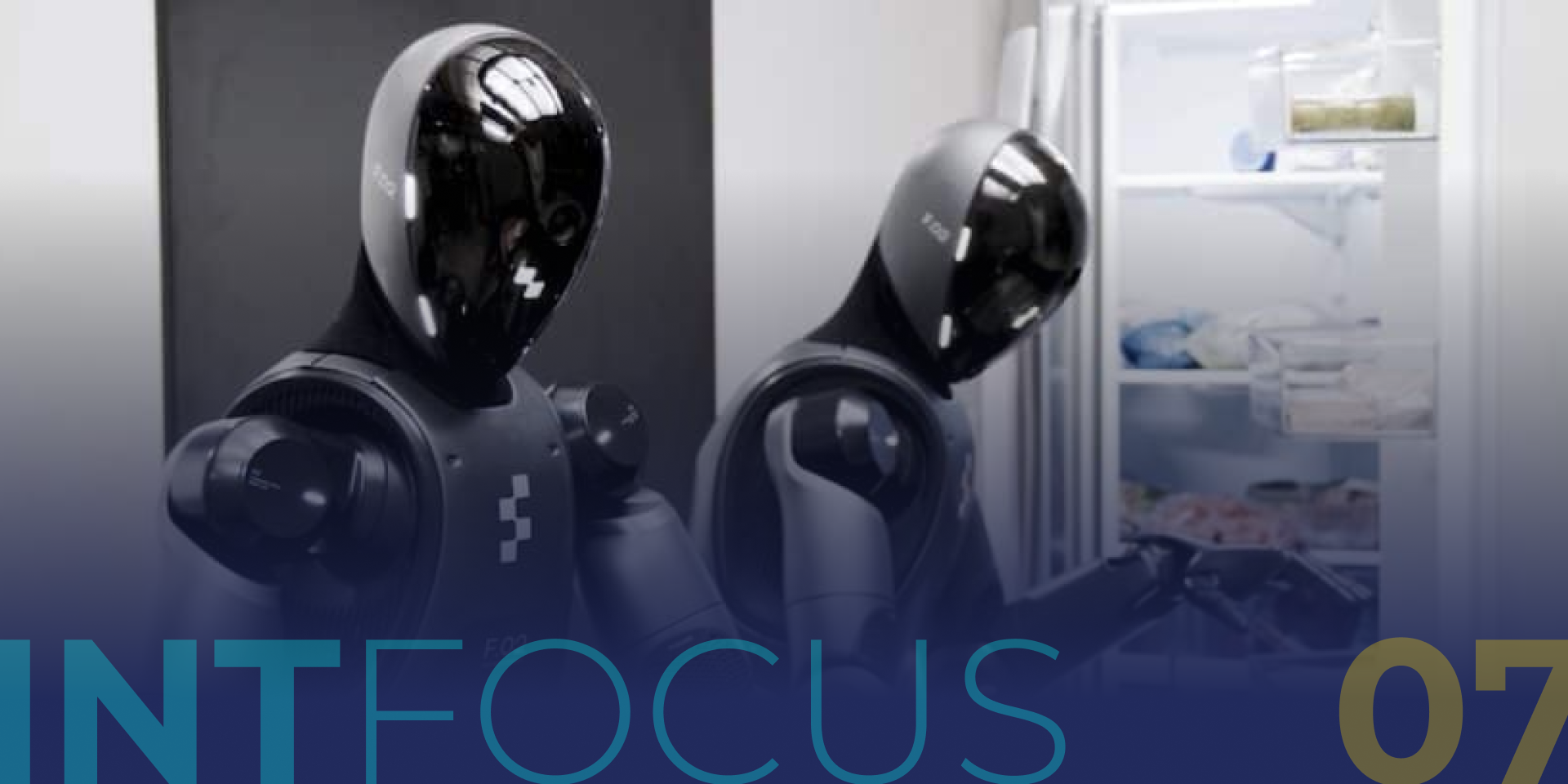
Robot vacuums and lawnmowers are now common. Humanoid home robots, though, are still being tested today. It is an area to watch, as it links directly to the wider topic of consumer humanoid robots.
The house of 2035
If standards keep coming together, and if generative AI becomes truly reliable at running complex automations, the home of the next decade could work as a single energy and information system. Panels, batteries, appliances and security systems could talk to each other smoothly. The first home robots could carry out physical tasks that today are left to fixed sensors. The most interesting link to follow is the one with consumer humanoid robots. The next step in home automation may not be another sensor on the wall, but a machine that moves around the house.
Sources
- Connectivity Standards Alliance (CSA), status and versions of the Matter standard
- Internet of Things Observatory, Polytechnic University of Milan, conference ‘Smart Home between Continuity and Innovation’ (February 10, 2026)
- Fiscomania, Il Giornale, Cose di Casa, BiblioLus/BibLus, 2026 tax deduction framework for renovations and home automation
- Span.IO, Tracxn, PitchBook, Latitude Media, corporate and financing data on SPAN
- ProntoPro, idealista/news, Architettura Italia, Cronoshare, cost estimates for home automation systems in Italy