

Key Takeaways
- Scenario: Tech company Colossal Biosciences has successfully completed the first avian extra-shell gestation within biomimetic synthetic membranes, resulting in the birth of 26 healthy chicks.
- Business Impact: The transition of synthetic biology into a programmable platform redefines the value chain of agro-biotech and molecular pharmaceutics, introducing the ability to scale high-value cell lines without the biological constraints of traditional poultry farming.
- Data Point: The proprietary system utilizes an engineered 20-micron silicone membrane, designed to precisely replicate the gaseous exchange and homeostasis maintenance of the natural eggshell.
The Technical Infrastructure of the Synthetic Egg
Overcoming the biological limit of extra-shell embryonic development represents a turning point for the engineering of living systems. Until now, attempts at exogenous incubation failed due to the impossibility of replicating the complex micro-architecture of the avian calcareous shell. Historical prototypes often required hyperbaric oxygen supplementation which, while stimulating initial development, caused irreversible oxidative damage to cellular DNA and a consequent arrest of embryonic growth.
The solution developed by Colossal Biosciences relies on an integrated bio-mechanical approach. The device combines a rigid 3D-printed exoskeleton, which provides the structural support necessary to counteract internal hydrostatic pressure, with a dynamic incubation interface. This architecture hosts the nutrients and biological vectors necessary for embryo survival, transforming the egg from a mere biological container into a remotely controllable.
Fluid Dynamics and Gaseous Exchange at 20 Microns
The technological core of the system lies in the internal synthetic membrane. This ultra-thin silicone layer, with a calibrated thickness of just 20 microns, was engineered to emulate the selective porosity of the natural shell. Consequently, the influx of oxygen and the expulsion of carbon dioxide occur according to highly precise passive diffusion gradients, preventing tissue hypoxia.
Furthermore, osmotic stability is guaranteed by constant monitoring of internal micro-fluids. Integrated sensors regulate the evaporation of internal water, a critical factor that prevents dehydration of the yolk sac and ensures the correct density of fluid nutrients throughout all stages of embryonic development.
Market Asymmetry: Beyond De-Extinction
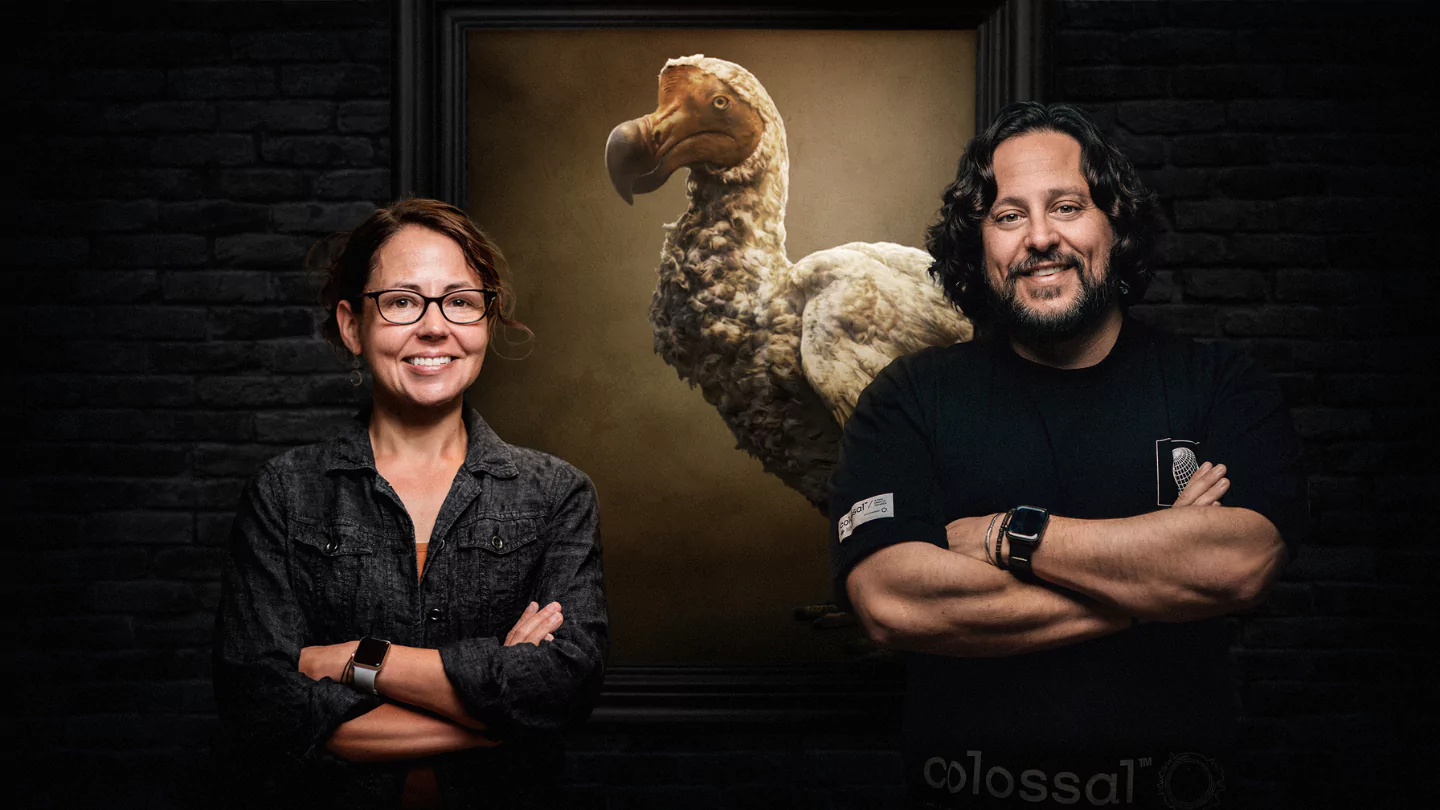
Media attention inevitably focuses on the de-extinction of iconic species such as the Dodo or the giant Moa. However, the true strategic value of this technology lies in the creation of a highly scalable intellectual property (IP) applicable to existing industrial markets. Companies that view this announcement as a mere scientific PR exercise risk underestimating a fundamental technological shift: biology is becoming programmable and industrializable exactly like enterprise resource planning software.
Impact on the Poultry Supply Chain and Molecular Pharmaceutics
The commercial poultry sector can gain a massive competitive advantage from adopting these automated incubation platforms. Through the elimination of the opaque shell, producers achieve continuous visual and diagnostic access to the embryo for the first time, enabling the application of computer vision algorithms for early screening of genetic anomalies. Consequently, hatch rates can be optimized on an industrial scale, drastically reducing operational losses.
In parallel, the molecular pharmaceutical sector views the synthetic egg as a next-generation bioreactor. Currently, a significant share of global vaccine production depends on inoculation into embryonated chicken eggs, a linear process plagued by biological bottlenecks. The introduction of standardized synthetic membranes allows the industry to bypass the biological variability of natural shells, accelerating the production of monoclonal antibodies and therapeutic proteins within engineered avian lines.
The Ethical Dilemma and Peer-to-Peer Scientific Validation
Despite investor enthusiasm, the international scientific community maintains a cautious stance. The main criticisms raised by experts converge on the need for independent validation of the data presented by Colossal Biosciences. As this is a corporate announcement, the absence of a comprehensive publication in peer-reviewed scientific journals limits the verifiability of long-term efficacy rates and the overall health of the 26 hatched specimens.
In addition to methodological doubts, the bioethical debate is shifting toward the very definition of the boundaries of artificial life. Integrating living biological tissues into synthetic frameworks raises complex regulatory questions. If proprietary bio-materials become the standard for species preservation and replication, the governance of global genetic heritage could become concentrated in the hands of a few private actors, reshaping the geopolitical balance of biodiversity.