
Key Takeaways
- Commonwealth Fusion Systems (CFS) is the best-funded fusion power startup in the world, having raised $4 billion over seven years, including a recent $1 billion round.
- New CFO Lorence Kim, formerly of Moderna, previously led that biotech through its IPO and sees direct parallels between fusion today and mRNA a decade ago.
- U.S. regulators have created a distinct, streamlined regulatory framework for fusion compared to fission, cutting approval timelines.
- The demonstration reactor Sparc is targeting a launch by the end of 2026 and scientific breakeven by 2027 — a milestone reached so far by only one experiment worldwide.
- The commercial-scale plant Arc, under construction in Virginia, is expected to come online in the early 2030s.
- The AI data center boom is pushing tech companies to lock in energy supply early: CFS has already sold half the output of its first plant to Google.
- Other fusion startups (General Fusion, TAE Technologies) have already gone public or are in the process of doing so, reinforcing the case for a CFS IPO window around 2028-2029.
In brief: Commonwealth Fusion Systems (CFS), the best-funded nuclear fusion startup in the world with $4 billion raised, is showing concrete signs of a possible IPO within the next two to three years. The appointment of new CFO Lorence Kim, who previously helped take Moderna public, reinforces this hypothesis.
Who is Commonwealth Fusion Systems
Commonwealth Fusion Systems is a U.S. startup founded in 2018 as a spin-off of MIT (Massachusetts Institute of Technology), aiming to build the world’s first fusion reactor capable of generating electricity at commercial scale. The company develops high-temperature superconducting magnets, the key technology that lets it design reactors that are smaller and cheaper than large international projects like ITER. It is now considered the most advanced and best-funded fusion startup in the world, with major industrial customers such as Google.
What’s happening at Commonwealth Fusion Systems
Commonwealth Fusion Systems has hired Lorence Kim as its new Chief Financial Officer. Kim served as Moderna’s CFO starting in 2014, a role he held through the biotech company’s IPO in December 2018.
Who is Moderna, and why its story matters here
Moderna is the U.S. biotech company that became world-famous for developing, in record time, one of the first effective Covid-19 vaccines, built on messenger RNA (mRNA) technology. Before the pandemic, mRNA was seen as a promising but unproven technology: no mRNA-based drug had ever been approved for commercial use. The pandemic gave Moderna the chance to validate its platform under extraordinary conditions, turning it from a scientifically interesting but financially risky company into a corporation with tens of billions of dollars in revenue. It’s precisely that transition — from promising, unproven technology to an established industry — that Lorence Kim sees as the parallel between Moderna and Commonwealth Fusion Systems today.
Kim has said he sees a path at CFS similar to Moderna’s: a technology that is scientifically sound but not yet commercially proven, closer to success than the market believes.
Key points:
- CFS has raised $4 billion over seven years, including a recent $1 billion round
- The new CFO has already guided a deep-tech company (biotech/Moderna) through an IPO
- The company has not officially confirmed an imminent IPO, but the signals are mounting
Why nuclear fusion could go public faster than biotech
Unlike drugs — which require years of clinical trials approved by the FDA before reaching the market — nuclear fusion reactors follow a lighter regulatory path, because the risk of a serious accident is structurally lower.
In practice, the regulatory process for a drug exists to protect the people who will eventually take it: before approval, an active compound must go through multiple phases of testing on a growing number of patients to prove it is safe and effective. This process typically takes 10 to 15 years and can fail at any stage, even after enormous investment — which is why the FDA imposes such strict, prolonged controls.
A nuclear fusion reactor, by contrast, doesn’t carry the same kind of direct risk to the public. A fusion reaction requires extreme conditions (very high temperatures, precisely tuned magnetic fields) that are difficult to trigger and even harder to sustain: if something goes wrong, the reaction simply stops within moments, rather than triggering an uncontrolled chain reaction the way a fission reactor can. Because there’s no risk comparable to a meltdown, regulators don’t need to require years of progressive human testing before authorizing operation — instead, they can focus on the plant’s technical and safety standards, a faster process to complete. It’s this structural difference in the type of risk involved — not favorable treatment — that explains why nuclear fusion can move toward market faster than a drug can.
Fusion regulation vs. traditional fission regulation
U.S. regulators have introduced fusion-specific guidelines, separate from those governing traditional nuclear fission. The technical reason is simple: a fusion reactor fizzles out in the event of a malfunction, while a fission reactor risks a meltdown. This difference in risk translates into shorter approval timelines for companies in the sector.
Sparc: the reactor that must prove scientific breakeven
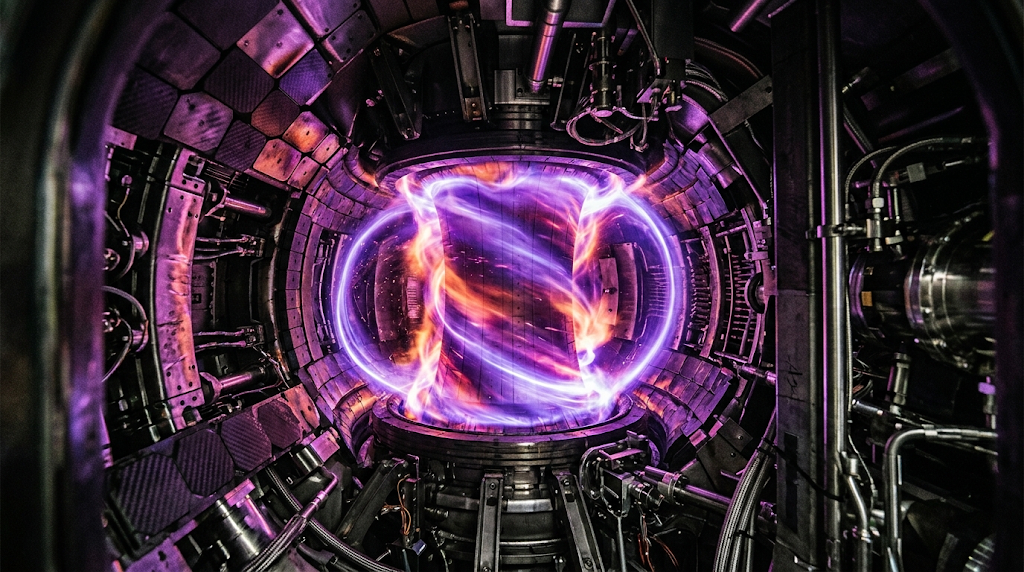
CFS’s technical progress is measured above all by Sparc, its demonstration reactor:
- Launch expected by the end of 2026
- Goal: reach scientific breakeven by 2027 (producing more energy than was put into the reaction)
- Only one experiment worldwide has achieved this milestone so far
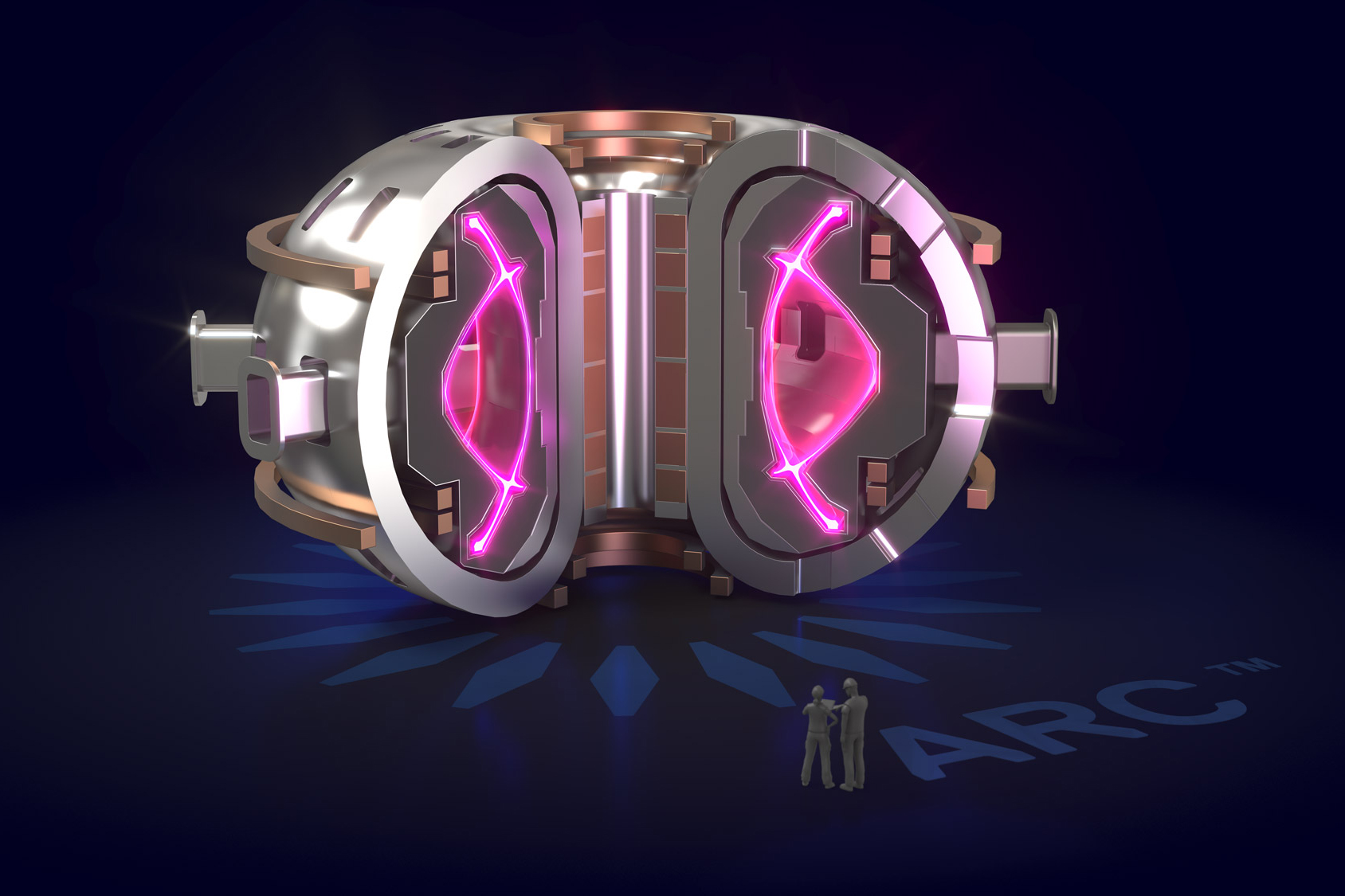
The next step is Arc, the company’s first full-scale commercial plant, under construction in Chesterfield County, Virginia, with permits already being issued. The plant is expected to become operational in the early 2030s.
The role of artificial intelligence in the race for fusion
The energy demand generated by the AI data center boom is accelerating investor interest in fusion power. Major tech companies are buying electricity at nearly any cost to fuel their AI models.
CFS has already capitalized on this trend, selling half the output of its first plant to Google. This kind of early deal, struck before the technology has reached full commercial maturity, signals just how willing the tech market is to bet on fusion as an energy solution for AI.
Other fusion power startups already public or going public
CFS is not alone in this race to public markets:
| Company | Listing method | Status |
|---|---|---|
| General Fusion | SPAC | Already public (July 2026) |
| TAE Technologies | Merger with Trump Media and Technology Group | In progress |
| Commonwealth Fusion Systems | Possible traditional IPO | Speculated within 2-3 years |
Frequently asked questions about nuclear fusion and CFS’s IPO
When will Commonwealth Fusion Systems go public? There is no official date. Analysts estimate a window between 2028 and 2029, based on the development timeline of the Sparc reactor and precedents from other deep-tech sectors like biotechnology.
What is scientific breakeven in nuclear fusion? It’s the point at which a fusion reaction produces more energy than was required to start it. It’s considered a crucial milestone for demonstrating the technology’s commercial viability.
Why did Commonwealth Fusion Systems hire a former Moderna CFO? Because Lorence Kim has already managed a deep-tech company’s transition from private funding rounds to a public listing — experience considered directly relevant to CFS’s anticipated path.
Is nuclear fusion safer than fission? Yes, from a regulatory standpoint: a fusion reactor shuts down in the event of a malfunction rather than risking a meltdown, which is why U.S. regulators created a distinct, lighter-touch regulatory framework for it.
Conclusion: a sector worth watching for investors and tech observers
Commonwealth Fusion Systems finds itself in a unique position: abundant capital, a technology in advanced validation, market demand pulled forward by the AI boom, and now a management team with direct experience in deep-tech IPOs. Whether it’s 2028 or 2029, the path toward going public looks increasingly defined — even though nuclear fusion still carries decades of technological promises not yet fully delivered.