

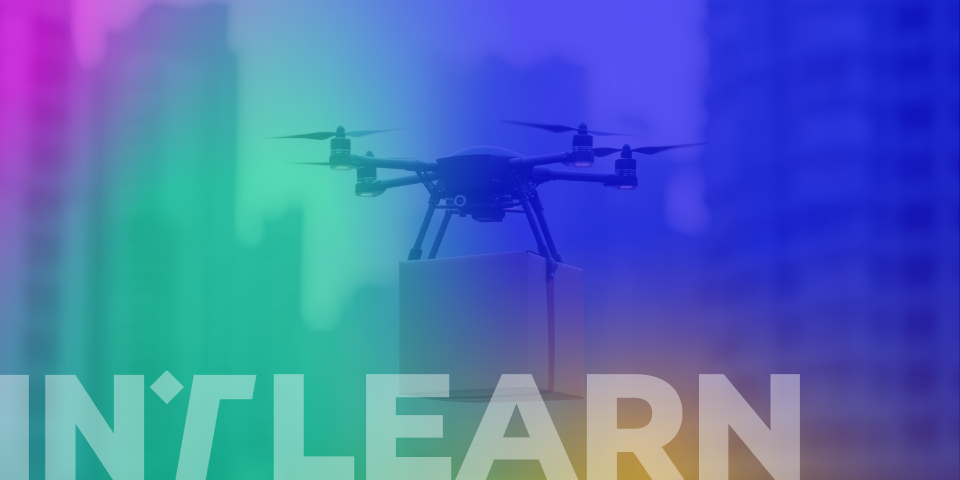
The Low-Altitude Economy represents one of the most ambitious technological frontiers of the next decade, integrating autonomous aircraft and drones into civil airspace. This ecosystem is not just about flight itself, but encompasses the entire digital and physical infrastructure required to manage commercial operations below an altitude of 1,000 meters.
Key Takeaways
- $1.5 Trillion Market: According to Morgan Stanley, the sector will reach this value by 2040.
- eVTOL Technology: Electric vertical take-off and landing aircraft ready for passenger transport.
- Global Leadership: China leads in regulatory progress, followed by Europe (EASA) and the USA (FAA).
The value of the Low-Altitude Economy in the global market
According to analysis by Morgan Stanley Research, the integration of logistics drones and air taxis (eVTOL) could generate a global business volume exceeding $1.5 trillion by 2040. This growth is driven by the need to decongest urban traffic and decarbonize short-range transport through electric propulsion. The sector includes not only aircraft sales but also data management and specialized maintenance services.
Regulatory and infrastructural challenges for vertical flight
Despite the potential, the development of the sector depends on the creation of safe air corridors. The European agency EASA is defining regulations for “U-Space,” an automated air traffic management system that will allow thousands of drones to coexist simultaneously. Crucial to this will be the construction of “vertiports,” urban logistics hubs equipped with rapid charging stations, necessary to make the city air transport model scalable.
Investments and leaders of the Low-Altitude Economy
Currently, the competition for leadership is fierce. China has already granted the first type certifications for unmanned aircraft (such as those from EHang), positioning itself in a phase of operational advantage. Meanwhile, Western giants and startups funded by sovereign wealth funds are accelerating tests to obtain certification by 2026. Investments are focusing on the safety of autonomous driving systems and reducing the noise impact of propellers in densely populated urban contexts.