

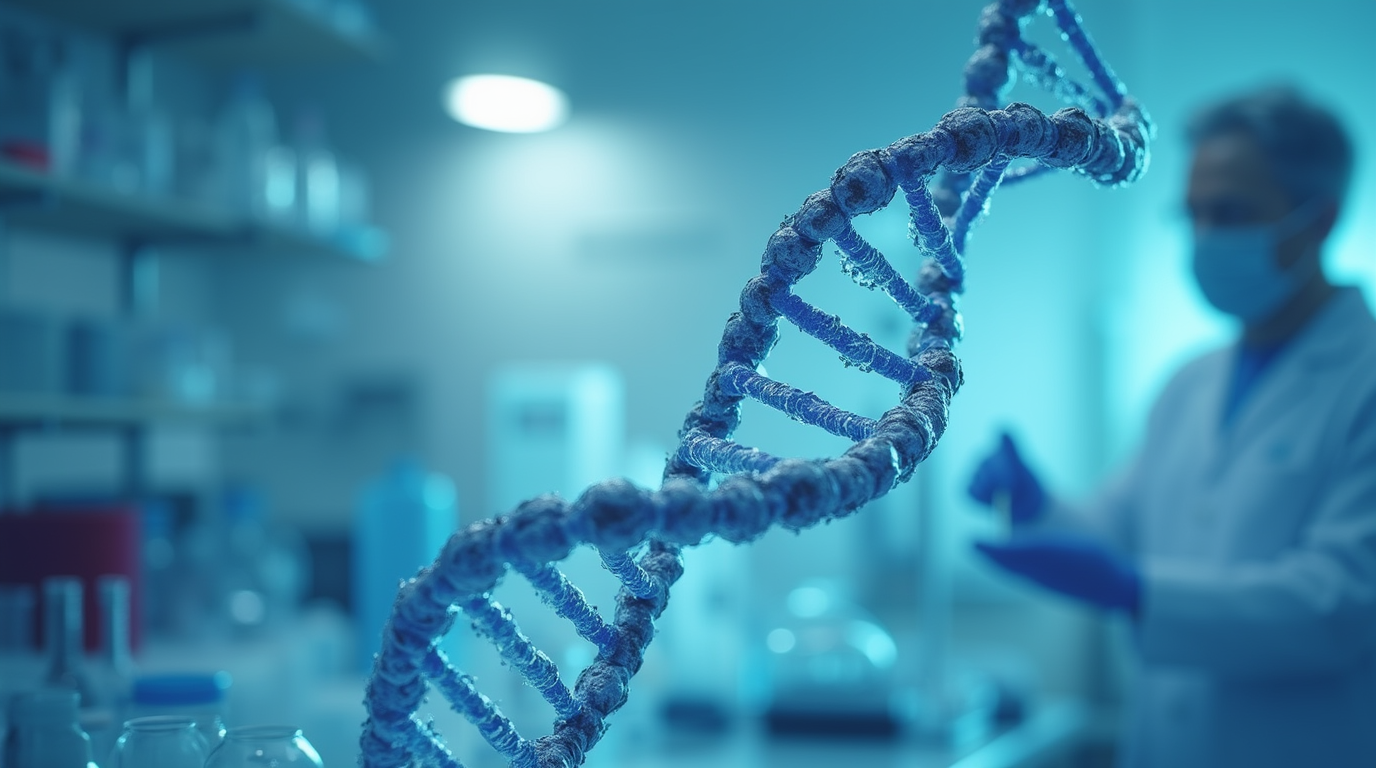
Gene editing is one of the most exciting new fields in biotech. Changing the DNA of living things may sound like science fiction. But tools such as CRISPR (Clustered Regularly Interspaced Short Palindromic Repeats) have made it real, and easier and easier to use. This progress could change medicine, farming, energy and even the protection of nature. As scientists explore what this tech can do, business owners need to understand how it can affect their sector and open new chances to do business.
In this article, we look closely at gene editing. We explain how it works, its most promising uses and what it means, in money and in ethics, for business owners who want to be part of this change.
What is genetic editing?
Gene editing is a set of methods to change the genes of a living thing in a targeted way. It can be a person, a plant, an animal or a microbe. Older methods caused random changes in DNA. Gene editing, instead, can change specific parts of the genome with great precision.
The tool that made all this possible is CRISPR. It became famous around the world for its power to “cut” and “paste” DNA in a precise spot. There are other methods, such as TALEN (Transcription Activator-Like Effector Nucleases) and ZFN (Zinc Finger Nucleases). But CRISPR is the best known and most used, because it works well, is simple and costs little.
How does CRISPR work?
CRISPR is a natural defence system found in many bacteria. It works as a “memory” of past viruses. When a virus attacks a bacterium, the bacterium stores a piece of the virus’s DNA in its own genome. This creates a “database” it can use later to spot and stop the same virus. Scientists have learned to use this system to change the DNA of other living things.
In gene editing, CRISPR uses a protein called Cas9 (CRISPR-associated protein 9) to “cut” a specific piece of DNA. The cell then repairs the cut in different ways. This makes it possible to add, remove or change a piece of genetic code.
Benefits of genetic editing
Gene editing has several advantages over older methods:
- Precision: DNA can be changed with record precision. This cuts the risk of unwanted side effects.
- Speed: Changing a gene takes much less time than with older methods, which needed years of research.
- Low cost: CRISPR is fairly cheap compared to more complex methods. Even startups and small firms can use it.
- Versatility: CRISPR works on many living things, from bacteria to humans and from plants to animals.
The applications of genetic editing
Gene editing has huge potential in many fields. Let’s look at some of the most promising uses and the chances they could create for business owners.
Medicine and gene therapy
Medicine could gain more from gene editing than any other field. Gene therapy could treat rare genetic diseases such as Duchenne muscular dystrophy, cystic fibrosis and thalassemia. It does this by fixing the genetic fault at its root.
- Cure genetic diseases: With gene editing, scientists could fix the faults that cause genetic diseases by acting directly on the patient’s DNA. This could lead to lasting cures for diseases that have no treatment today.
- Advanced immunotherapy: Gene editing can change immune cells, such as T-cells, so they find and fight cancer better. CAR-T (Chimeric Antigen Receptor T-cell) therapies show how gene editing is already used to treat some types of cancer.
- Personalised medicine: Being able to change human DNA opens the way to personalised medicine. Treatments can be shaped to fit each patient’s genes. They could work better and cause fewer side effects.
Agriculture and food security
Gene editing is also changing farming. It can create crops that are tougher, healthier and more productive. The options are almost endless, and farmers could gain a lot.
- Tougher crops: Plants can be designed to resist disease, pests, drought and bad weather. For example, maize changed to resist pests has already been a success.
- More nutrients: Gene editing can boost the nutrients in crops. One example is “golden rice”, enriched with pro-vitamin A. It helps fight vitamin A shortage in poorer regions.
- Sustainable farming: With gene editing, farmers could grow crops with less impact on nature, using fewer pesticides and chemical fertilisers. Farming could become more efficient and help feed the world.
Energy and environment
Gene editing could also play a key role in energy and in protecting nature.
- Biofuels: Plants and microbes can be changed to make biofuels more efficiently. This cuts our need for fossil fuels and lowers greenhouse gas emissions.
- CO2 removal: Researchers are testing changed microbes that can capture carbon dioxide from the air. This could help fight climate change.
- Biodegradation: Gene editing can create microbes that break down toxic or polluting waste. This offers new ways to manage waste and clean up nature.
Opportunities for entrepreneurs
Gene editing is moving fast. Business owners have the chance to use this change in many fields. Here are some areas where it could create new business.
Biotech and gene therapy
Biotech firms could gain a lot from gene therapies, personalised medicines and new medical tech. Biotech startups have the chance to lead in finding and building new treatments based on gene editing. Promising areas include:
- Rare disease treatments: Large drug firms often ignore rare genetic diseases because demand is low. Gene editing offers a cost-effective way to treat them.
- Immunotherapy: Gene editing for cancer is one of the most exciting fields. It could lead to new drugs and personalised therapies.
Agriculture and sustainability
In farming, gene editing offers big chances to boost output and sustainability. Firms that build tech to improve crops or make farming more efficient could make a difference. This market faces challenges such as a growing world population, climate change and a lack of natural resources.
Energy and environment
Green energy could gain a lot from gene editing. Firms working on biofuels, better CO2 capture or cleaning up pollution with living things could be well placed to profit from the growing demand for green solutions.
Ethical and regulatory challenges
Despite its many benefits, gene editing also raises ethical and legal issues that business owners must consider. Changing human and animal DNA raises moral questions about how far we should go in shaping life at the genetic level.
Ethics and uncertainty
Changing the human genome, for example, raises fears that the tech could be misused. Creating “designer” children with chosen traits, such as higher intelligence or a certain look, is a thorny ethical issue that society will need to face.
Regulation
Rules on gene editing vary a lot around the world. In some regions, such as the European Union, they are very strict. Others, such as the US, take a looser approach. Business owners must find their way through complex rules that keep changing, to make sure their projects meet local and global laws.
Conclusions
Gene editing is one of the biggest breakthroughs in modern biotech. It could deeply change many sectors. Business owners who embrace it could lead a fast-growing market. But they will also face real ethical and legal challenges.
To succeed in this field, firms must invest in research, work with experts and be ready for the social and political impact of these tools. With a responsible approach, gene editing offers huge chances for innovation. It could reshape the future of medicine, farming, energy and the environment.